
Respect, Dignity, and Safety
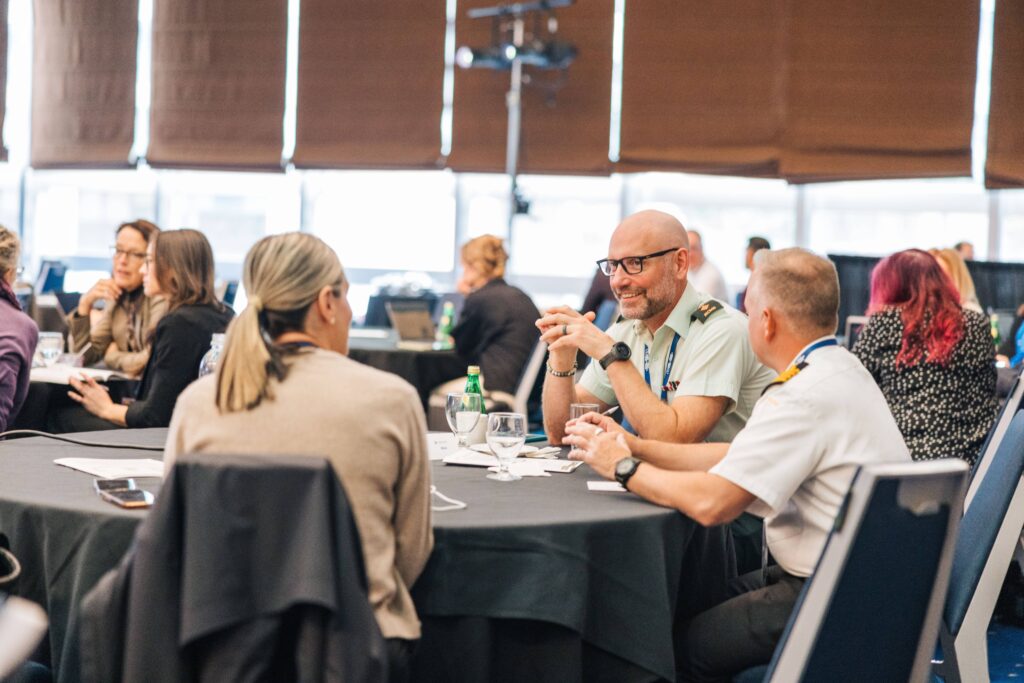
In a room filled with healthcare leaders and frontline workers, Deb Gordon, previous Interim CEO, Health Workforce Canada, and Michael McMillan, President and CEO, Health Employers Association of British Columbia, led a powerful workshop – Health Workforce Safety: Strategies for Safe Workplaces and Worker Wellbeing – during Health Workforce Canada Connects 2025. The goal? To foster a culture where respect, dignity, and safety are not just ideals, but daily realities for healthcare workers. “Worker well-being is essential for quality patient care,” they emphasized.
The Complexity Beneath the Surface
Workplace safety in healthcare is a complex issue – physical risks, psychological strain, and the weight of organizational culture. Participants were challenged to look beyond the obvious, considering every pillar of wellness. At each table, the question echoed: Is workplace violence on the rise? What can leadership do? The answers were as complex as the problems themselves.
The Numbers Tell the Story
When Michael McMillan, President and CEO, Health Employers Association of British Columbia, presented data from WorkSafeBC, the room fell silent. Violence-related injury claims among healthcare workers have doubled compared to other sectors. Acute and long-term care, just 5% of the workforce, accounted for over a third of these claims.
The cost? A staggering $61 million in 2024 – an 85% jump in five years. Psychological injuries from violence led to an average leave of 217 days, far longer than leave associated with physical injuries alone. Yet there was hope: the pre-hospital emergency care sector had slashed incident rates by 50% through the commitment of strong leadership and targeted education.
National Pan-Canadian Data Dashboard Introduction
Following the BC data presentation, Health Workforce Canada shared one of its pan-Canadian data dashboard modules designed to integrate multiple data sources related to healthcare worker wellness. The dashboard module includes information on provider wellness and injuries, offering accessible and consumable data to help users identify areas of concern. Participants were encouraged to explore the dashboard, find areas that may require attention and share what could be potential next steps to improve worker wellness.
Data Meets Experience: The Human Impact
The workshop moved from numbers to stories. A family physician spoke of the crushing disconnect between high responsibility and low control. A nurse called for more data on emotional intelligence and situational awareness – traits that might shield staff from violence. WorkSafeBC shared anonymized case studies: physical injuries, PTSD, and the long shadow of psychological harm. Themes emerged – fear of reporting, mistrust in return-to-work processes, and inconsistent safety protocols. The human cost was undeniable.
Sunnybrook’s Bold Moves
At Sunnybrook Health Sciences Centre in Toronto, Kristen Winter, Executive Vice President, Programs, People, and Leadership, described a change in approach to patients demonstrating violent behaviour in their emergency room. Sunnybrook empowered clinical teams to discharge patients and family exhibiting disrespectful behaviours when medically safe to do so.
This policy, built through collaboration with health care workers at the hospital and unions, was paired with interventions, including policy oversight as well as joint health and safety, workplace violence, medical advisory and wellness committees. Employees and physicians were provided support with trauma-informed training, which included debriefing each situation. Staff concerns gave way to appreciation for the new safety measures inclusive of continuous education and debriefing which has become the norm.
Providence and St. Paul’s: Trust and Trauma-Informed Care
In Vancouver, leaders from Providence Healthcare and St. Paul’s Hospital, Norm Peters, Conor MacPhee and Amanda Weatherston shared their journey. Serving a diverse downtown population, St. Paul’s faced daunting safety challenges.
Humble leadership, willing to take a chance, supporting and truly listening to frontline staff, took several actions in the Emergency Department, then expanded out to Medicine, including: limiting access to the emergency department doors, voluntary weapon screening for everyone entering the emergency department, and integrating Relational Security Officers with clinical operations to support a proactive, team-based approach to mitigate violence and aggression.
Security staff wear non-threatening clothing and receive training in Indigenous wellness and equity. New roles like a clinical nurse educator specifically looking at safety within the ED and safety support workers provide ongoing support for staff and patients. Collaboration with staff, police, and cultural liaisons strengthens trust and care quality. On site overdose prevention services and programs to provide safe spaces to shelter near the site have further enhanced safety.
Leadership Reflections: Barriers and Breakthroughs
Table discussions revealed barriers to safe leadership: resource constraints, cultural differences, and fear of reprisal. Yet, the message was clear – listening to frontline staff and building trust are essential. Small, incremental changes that meet the needs of staff and physicians can spark big improvements. Data can and should be used proactively to manage risks. Collaboration between employers, unions, staff, physicians, and patients is the foundation for lasting change.
The Final Word: Change Takes Commitment
As the workshop closed, Deb Gordon and Michael McMillan left participants with an inspiring thought by Dr. Nadine Kiran: “We can’t just wait for change – we are the ones we have been waiting for.”
The human impact behind the data is paramount. The collective responsibility to foster safe, supportive healthcare workplaces is clear. With bold yet humble leadership and engaged staff, meaningful change is not just possible – it is essential, and it can happen.