
The health workers that Canada will need 10 years from now are already in our classrooms and communities today. Some are high school students beginning to consider health care as a career. Others are entering colleges and universities, completing clinical training, or preparing to make the transition from learning into practice.
The decisions we make across those journeys matter. What programs do we offer? How many people do we train, and where? What practice readiness will they need? How will we teach them about working in teams and with emerging technology? How can we better incorporate Indigenous cultural capability into learning protocols?
These are not simply questions we can ask of the education sector. They are fundamental questions we are asking of health workforce planners across the country today. Connecting the dots between health workforce and education will be critical for our future success.
Preparing a nurse, physician, physiotherapist or any other health professional takes years. Expanding programs, recruiting faculty and creating clinical training capacity also takes time. Yet our health system is changing quickly. Canada’s population is aging and becoming more complex. Technology is reshaping how care is delivered. Models of care are evolving. And new expectations of the workforce itself are emerging with the next generation.
Connected planning is critical
By the time a workforce gap appears as a vacancy, our options are already limited. That is why we need to think about education and health workforce planning as parts of the same system.
Many of the right people are planning today, but often they are planning different parts of the system, with different information, timelines and accountabilities. Educators are making decisions that may take years to implement. Employers are responding to immediate service pressures. Governments, regulators and accrediting bodies are making decisions that influence different points along the workforce pathway.
The challenge is not an absence of planning. It is that too much of that planning happens separately.
Adding more seats is not enough
Canada will need more education and training capacity in many areas. But adding seats alone will not solve our workforce challenges. A new training seat has limited value without a clinical placement. A new graduate will struggle to be successful without the support of mentors to provide seasoned experience and guidance. Increasing training capacity will not solve retention challenges if workplaces cannot support people once they arrive.
The future workforce will need the right skill mix amongst professions to work within new models of care, function effectively in teams, use emerging technologies, and respond to the very different realities of communities across Canada, including rural, remote and northern communities and First Nations, Inuit and Métis communities. This means moving toward workforce planning that considers not only how many people we need, but the capabilities we need and where we need them. Education, training and upskilling are fundamental to getting that right.
Building a shared direction
Connecting education, workforce planning and practice more deliberately will require stronger bridges between sectors. Some of that infrastructure already exists across Canada. We can build on it and make it stronger.
Better connections can help educators anticipate how workforce needs are changing. They can help health system leaders understand what it takes to adjust education and training capacity. And they can help employers create stronger transitions into practice so that new graduates begin their careers with the support they need. Most importantly, better connections allow us to see the whole pathway so we can identify barriers earlier and act before emerging gaps become crises.
At Health Workforce Canada, we are bringing health, education, employer and Indigenous partners together around this shared challenge. Our aim is not to create a single approach for every jurisdiction or community. Instead, we want to create a stronger shared direction, supported by better information and more connected decision-making, while maintaining the flexibility to respond to local and regional realities.
Over the coming year, we will work with partners to develop a pan-Canadian education and health workforce action plan that sets out a shared direction and practical steps to strengthen the connection between education, training and workforce planning. The goal is not for everyone to make the same decisions. It is for the decisions we make across the system to reinforce one another and move us toward the workforce Canada will need tomorrow.
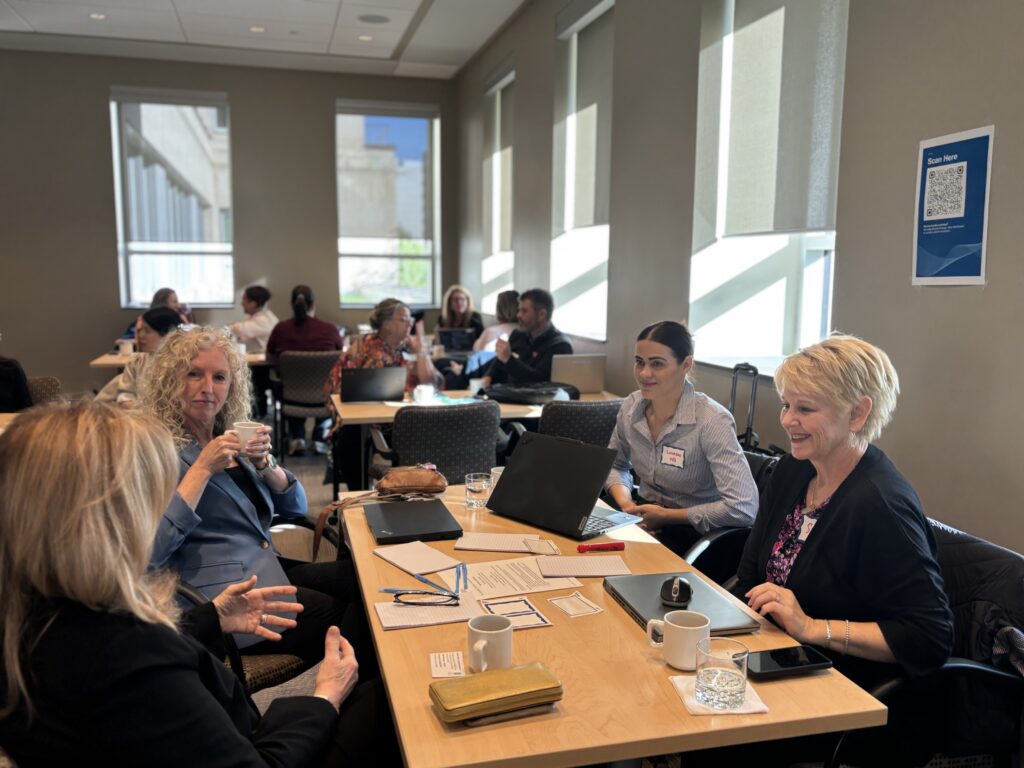
At Health Workforce Canada Connects in Halifax on May 4 and 5, 2027, we will invite participants to join the broader conversation on education and health workforce planning, connect with others and share how their organizations, professions and communities are contributing to this work.
Preparing for Canada’s future health workforce is not a simple challenge, but connecting education, workforce planning and practice is an important place to start. If we make those connections more deliberately now, we can move beyond responding to the shortages immediately in front of us. We can begin to build the workforce Canada will need next: stable, culturally capable, adaptable and ready for the future.